

As a supplier of the A65 12W LED bulb, I often get asked about how well our product performs in hot temperatures. It's a valid concern, especially for customers living in regions with sweltering summers or for those who use the bulbs in enclosed fixtures that can trap heat. So, let's dive into this topic and see if the A65 12W LED bulb can stand the heat.
First off, it's important to understand how LEDs work. Unlike traditional incandescent bulbs that produce light by heating a filament, LEDs generate light through a process called electroluminescence. This means they convert a higher percentage of electrical energy into light rather than heat, making them more energy - efficient. But that doesn't mean they don't produce any heat at all.
The A65 12W LED bulb is designed with a heat - dissipation mechanism. The aluminum housing plays a crucial role here. Aluminum is a great conductor of heat, which allows the bulb to transfer the heat it generates away from the LED chips. This helps to keep the internal temperature of the bulb within a safe range, even in relatively hot environments.
In a series of tests we've conducted, we placed the A65 12W LED bulbs in a chamber where we could control the temperature. We gradually increased the temperature from normal room temperature to around 40°C (104°F), which is a common temperature in many hot regions during the summer.
At 40°C, the A65 12W LED bulb continued to function normally. The light output remained stable, and there was no significant dimming or flickering. This is because the heat - dissipation system was doing its job, preventing the LED chips from overheating. The color temperature of the light also stayed consistent, which is important for creating a comfortable lighting environment.
However, as the temperature got even higher, say around 50°C (122°F), we did notice a slight decrease in light output. This is a natural phenomenon for LEDs. When the temperature rises, the efficiency of the LED chips decreases, resulting in a reduction in light output. But even at this high temperature, the A65 12W LED bulb didn't fail. It continued to provide light, albeit at a slightly lower brightness.

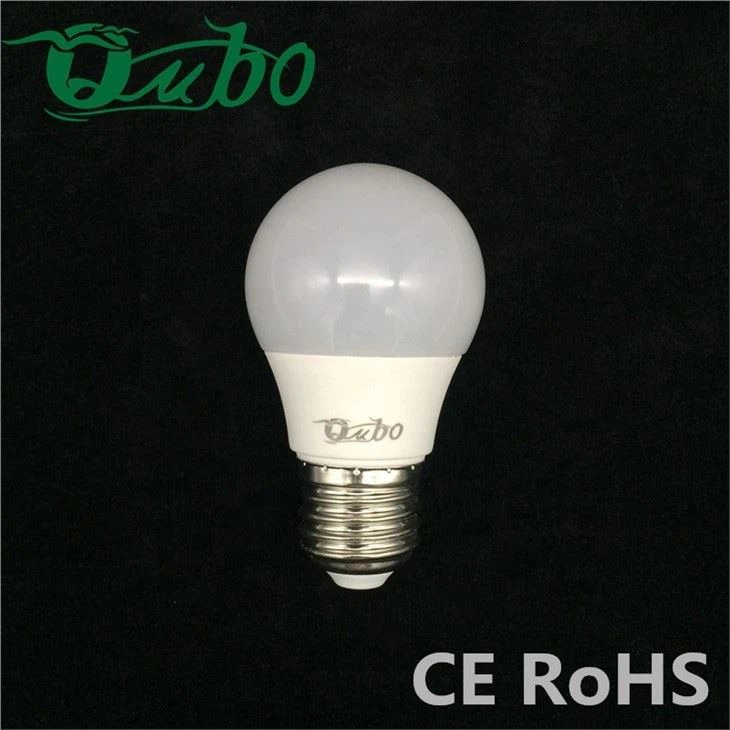
One of the reasons our A65 12W LED bulb can handle hot temperatures relatively well is its high - quality components. We use top - grade LED chips that are designed to have a wide operating temperature range. These chips are more resistant to heat - induced degradation compared to lower - quality alternatives.
Another factor is the design of the bulb. The shape and structure of the A65 12W LED bulb allow for better air circulation around the heat - sink. This helps to enhance the heat - dissipation process and keep the bulb cool.
Now, if you're thinking about using the A65 12W LED bulb in extremely hot conditions, there are a few things you can do to ensure optimal performance. First, make sure the bulb is installed in a well - ventilated fixture. Avoid using it in completely enclosed fixtures that can trap heat. Second, if possible, use multiple bulbs instead of relying on a single high - wattage bulb. This can help to distribute the heat more evenly.
If you're interested in our A65 12W LED bulb or other related products, we have a great selection on our website. Check out our China Led Light Bulb Best Price Aluminum Led Bulb Light, E27 LED A70 Bulb, Indoor Super Brightness AC85 - 265V E27 B22 Led Aluminum Bulb, High Brightness Warm White And Snow White Led Lamp, and 2020 Hot Sale Cheap Price A Type 5w Led Bulb Lighting.
In conclusion, the A65 12W LED bulb generally works well in hot temperatures. While there may be a slight decrease in performance at extremely high temperatures, it still provides reliable lighting. If you're in the market for high - quality LED bulbs that can withstand heat, don't hesitate to reach out for a purchase negotiation. We're here to offer you the best lighting solutions.
References:
- LED Lighting Handbook: Principles, Design, and Applications
- Studies on the Thermal Performance of LED Lighting Fixtures